Winter conditions make this topic more complicated than the same job in mild weather. Salt, slush, low temperatures, and repeated freezing can change how cleaners, water, rubber, glass, paint, and hidden metal respond, so the best routine balances cleaning with damage prevention.
The useful question is not simply whether the job can be done, but how it can be done without creating a second problem afterward. A daily driver benefits most from methods that are realistic enough to repeat throughout the season.
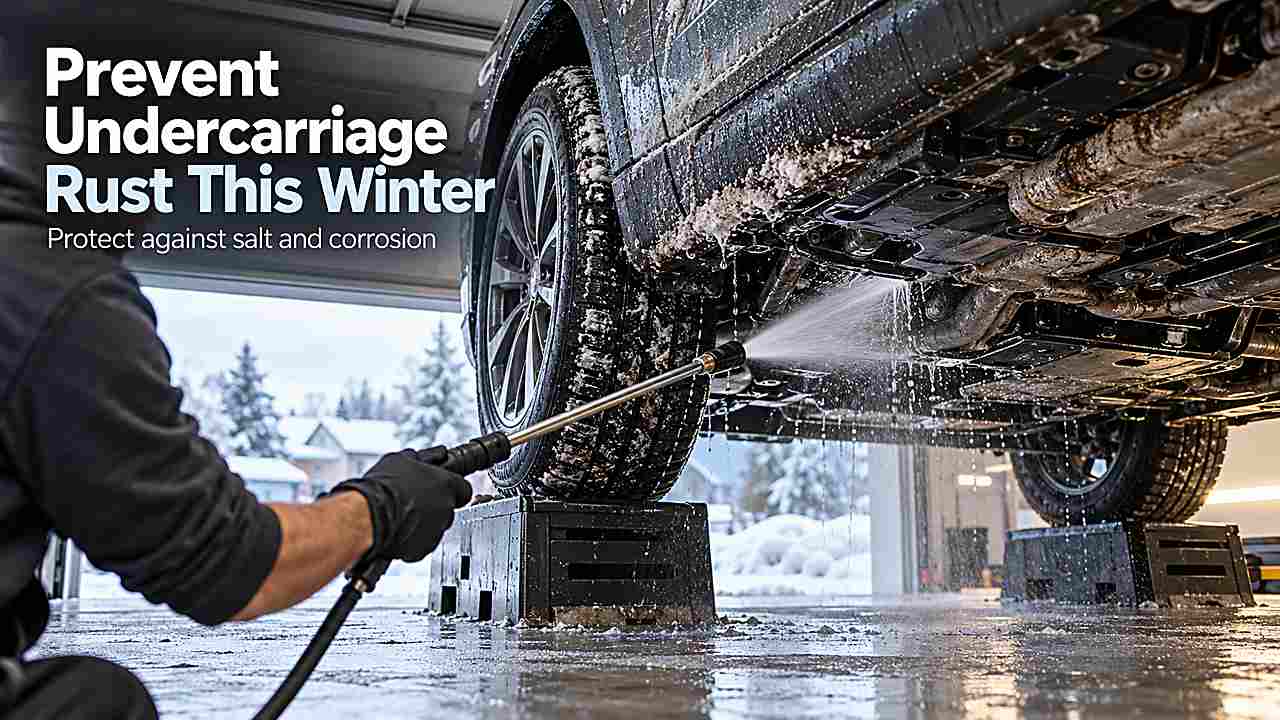
Undercarriage rust prevention depends on salt removal, intact factory protection, good drainage, moisture control, and periodic inspection. Regular underbody rinsing is usually more valuable than keeping only the visible body panels spotless.
Why the undercarriage gets the worst exposure
Why the undercarriage gets the worst exposure deserves its own attention because this part of the job often determines whether winter maintenance stays simple or becomes harder after the vehicle cools, dries, or returns to salted roads. The details below focus on the reasons behind the method rather than a list of commands.
Road spray reaches hidden components
Road spray reaches hidden components matters because tires throw brine into wheel wells, seams, brake hardware, suspension, and underbody structures. In winter, the issue becomes more noticeable as low temperatures, road treatment, moisture, and repeated freeze-thaw cycles change how the vehicle behaves. For most drivers, a measured approach works better than trying to solve the problem with extra force, extra heat, or stronger chemicals.
A common mistake is to focus only on the visible surface while ignoring the seams, backing, hidden components, or residual moisture that can keep the problem going. The better result usually comes from matching the method to the material and conditions, then checking the area again after it has dried or returned to normal temperature. That principle keeps how to prevent rust on car undercarriage in winter practical for a daily driver rather than turning a simple winter-maintenance job into unnecessary correction work.
Salt becomes more aggressive when moisture remains
Salt becomes more aggressive when moisture remains matters because freeze-thaw cycles repeatedly wet the same hidden areas and keep an electrolyte in contact with metal. In winter, the issue becomes more noticeable as low temperatures, road treatment, moisture, and repeated freeze-thaw cycles change how the vehicle behaves. For most drivers, a measured approach works better than trying to solve the problem with extra force, extra heat, or stronger chemicals.
A common mistake is to focus only on the visible surface while ignoring the seams, backing, hidden components, or residual moisture that can keep the problem going. The better result usually comes from matching the method to the material and conditions, then checking the area again after it has dried or returned to normal temperature. That principle keeps how to prevent rust on car undercarriage in winter practical for a daily driver rather than turning a simple winter-maintenance job into unnecessary correction work.
Rinsing is the highest-value winter habit
Rinsing is the highest-value winter habit deserves its own attention because this part of the job often determines whether winter maintenance stays simple or becomes harder after the vehicle cools, dries, or returns to salted roads. The details below focus on the reasons behind the method rather than a list of commands.
Coverage matters more than extreme pressure
Coverage matters more than extreme pressure matters because wheel wells, pinch welds, subframes, and rear underbody areas need water flow that carries contamination out. In winter, the issue becomes more noticeable as low temperatures, road treatment, moisture, and repeated freeze-thaw cycles change how the vehicle behaves. For most drivers, a measured approach works better than trying to solve the problem with extra force, extra heat, or stronger chemicals.
A common mistake is to focus only on the visible surface while ignoring the seams, backing, hidden components, or residual moisture that can keep the problem going. The better result usually comes from matching the method to the material and conditions, then checking the area again after it has dried or returned to normal temperature. That principle keeps how to prevent rust on car undercarriage in winter practical for a daily driver rather than turning a simple winter-maintenance job into unnecessary correction work.
Timing after salt events matters more than perfection
Timing after salt events matters more than perfection matters because a simple rinse after heavy treatment can reduce contact time even when a full detail is unrealistic. In winter, the issue becomes more noticeable as low temperatures, road treatment, moisture, and repeated freeze-thaw cycles change how the vehicle behaves. For most drivers, a measured approach works better than trying to solve the problem with extra force, extra heat, or stronger chemicals.
A common mistake is to focus only on the visible surface while ignoring the seams, backing, hidden components, or residual moisture that can keep the problem going. The better result usually comes from matching the method to the material and conditions, then checking the area again after it has dried or returned to normal temperature. That principle keeps how to prevent rust on car undercarriage in winter practical for a daily driver rather than turning a simple winter-maintenance job into unnecessary correction work.
Inspect factory and aftermarket protection
Inspect factory and aftermarket protection deserves its own attention because this part of the job often determines whether winter maintenance stays simple or becomes harder after the vehicle cools, dries, or returns to salted roads. The details below focus on the reasons behind the method rather than a list of commands.
Small coating damage can create a weak point
Small coating damage can create a weak point matters because scrapes from road debris, jacking, or repairs can expose metal that then sees concentrated salt. In winter, the issue becomes more noticeable as low temperatures, road treatment, moisture, and repeated freeze-thaw cycles change how the vehicle behaves. For most drivers, a measured approach works better than trying to solve the problem with extra force, extra heat, or stronger chemicals.
A common mistake is to focus only on the visible surface while ignoring the seams, backing, hidden components, or residual moisture that can keep the problem going. The better result usually comes from matching the method to the material and conditions, then checking the area again after it has dried or returned to normal temperature. That principle keeps how to prevent rust on car undercarriage in winter practical for a daily driver rather than turning a simple winter-maintenance job into unnecessary correction work.
Rust inhibitors differ from hard coatings
Rust inhibitors differ from hard coatings matters because soft oil or wax products creep into seams, while firmer coatings have different service and overspray concerns. In winter, the issue becomes more noticeable as low temperatures, road treatment, moisture, and repeated freeze-thaw cycles change how the vehicle behaves. For most drivers, a measured approach works better than trying to solve the problem with extra force, extra heat, or stronger chemicals.
A common mistake is to focus only on the visible surface while ignoring the seams, backing, hidden components, or residual moisture that can keep the problem going. The better result usually comes from matching the method to the material and conditions, then checking the area again after it has dried or returned to normal temperature. That principle keeps how to prevent rust on car undercarriage in winter practical for a daily driver rather than turning a simple winter-maintenance job into unnecessary correction work.
Keep drainage paths and liners healthy
Keep drainage paths and liners healthy deserves its own attention because this part of the job often determines whether winter maintenance stays simple or becomes harder after the vehicle cools, dries, or returns to salted roads. The details below focus on the reasons behind the method rather than a list of commands.
Drain holes should remain open
Drain holes should remain open matters because blocked body drains can trap salty water in doors and rocker structures. In winter, the issue becomes more noticeable as low temperatures, road treatment, moisture, and repeated freeze-thaw cycles change how the vehicle behaves. For most drivers, a measured approach works better than trying to solve the problem with extra force, extra heat, or stronger chemicals.
Wheel wells provide an easy inspection window
Wheel wells provide an easy inspection window matters because cracked liners and loose shields can hold wet salt against areas that are otherwise protected. In winter, the issue becomes more noticeable as low temperatures, road treatment, moisture, and repeated freeze-thaw cycles change how the vehicle behaves. For most drivers, a measured approach works better than trying to solve the problem with extra force, extra heat, or stronger chemicals.
Use a seasonal rhythm
Use a seasonal rhythm deserves its own attention because this part of the job often determines whether winter maintenance stays simple or becomes harder after the vehicle cools, dries, or returns to salted roads. The details below focus on the reasons behind the method rather than a list of commands.
Pre-winter, mid-season, and spring each have a role
Pre-winter, mid-season, and spring each have a role matters because inspection before winter, regular rinsing during salt season, and a deeper spring clean create a practical maintenance cycle. In winter, the issue becomes more noticeable as low temperatures, road treatment, moisture, and repeated freeze-thaw cycles change how the vehicle behaves. For most drivers, a measured approach works better than trying to solve the problem with extra force, extra heat, or stronger chemicals.
Don’t focus only on the visible surface while ignoring the seams, backing, hidden components, or residual moisture that can keep the problem going. The better result usually comes from matching the method to the material and conditions, then checking the area again after it has dried or returned to normal temperature. That principle keeps how to prevent rust on car undercarriage in winter practical for a daily driver rather than turning a simple winter-maintenance job into unnecessary correction work.
Frequently Asked Questions
Winter car care rarely has one rule that fits every vehicle and every climate. These questions address the practical variables that most often change the answer, including temperature, salt exposure, product compatibility, and drying conditions.
What is the safest starting point for how to prevent rust on car undercarriage in winter?
The safest starting point is to assess temperature, contamination, material condition, and whether the vehicle can be dried or inspected afterward. Undercarriage rust prevention depends on salt removal, intact factory protection, good drainage, moisture control, and periodic inspection. Regular underbody rinsing is usually more valuable than keeping only the visible body panels spotless.
A gentle first step gives useful feedback before stronger chemistry, pressure, or heat is considered. Vehicle and product instructions should take priority where they are more specific. The goal is controlled maintenance rather than a one-step shortcut.
What is the most common mistake with how to prevent rust on car undercarriage in winter?
The most common mistake is treating a winter problem as if temperature and salt exposure do not change the normal process. Rushing often leads to trapped moisture, scratching, frozen seals, or residue that reappears after drying. A slower sequence that removes loose contamination first is usually safer.
Stronger force is rarely the first answer. The condition of the surface should guide the next step.
Does very cold weather change the best approach?
Yes. Cold affects drying time, product behavior, rubber flexibility, water freezing, and how quickly a safe working window disappears. A heated bay or garage can make the same task far easier, although warm storage of a heavily salted wet vehicle has its own corrosion concerns.
Very hot water on cold glass should be avoided. Wind can make borderline conditions much harder. A safer weather window is sometimes the best tool available.
How often should this be part of a winter routine?
Frequency should follow exposure rather than a rigid calendar. A daily driver on heavily treated roads needs more attention than a vehicle that stays parked during storms. AAA and Consumer Reports both emphasize regular winter cleaning when salt buildup is present.
Quick maintenance can be more valuable than waiting for a perfect detailing day. The visible condition of the car and recent road treatment are practical triggers.
When is professional help the better choice?
Professional help makes sense when the problem involves damaged paint, active rust, electrical components, persistent leaks, failed washer or wiper hardware, or interior moisture that has reached padding and modules. It is also reasonable when the required work would put the vehicle or the person in an unsafe position. A specialist can often diagnose whether the visible symptom is only surface contamination or evidence of a deeper fault.
Early help is usually simpler than correcting secondary damage. Routine cleaning can then continue with a clearer plan.
Conclusion
Undercarriage rust prevention depends on salt removal, intact factory protection, good drainage, moisture control, and periodic inspection. Regular underbody rinsing is usually more valuable than keeping only the visible body panels spotless.
A sensible next step is to look at the vehicle’s current condition and the next few days of weather, then choose the simplest action that can be completed safely from start to finish. Small, repeatable winter-maintenance habits usually protect a daily driver better than waiting for one perfect day after months of salt, moisture, and neglect.