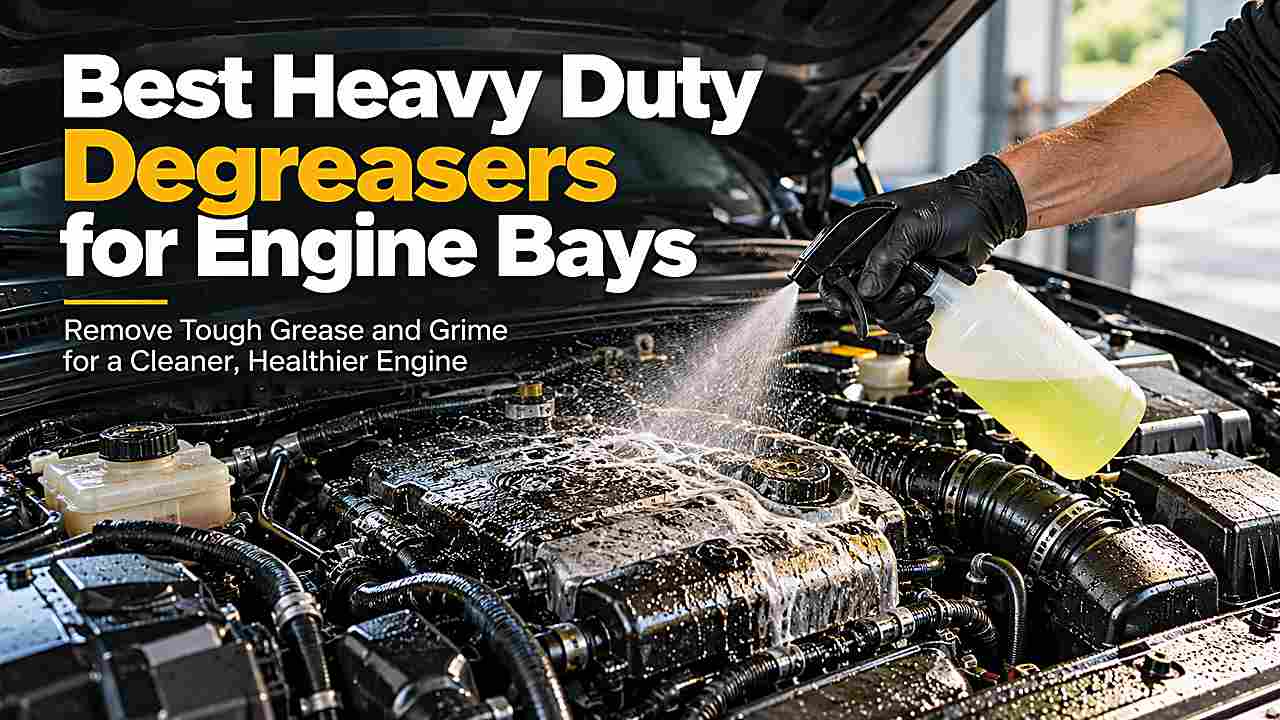
Top heavy duty degreaser for engine bays is not a useful shopping question until the job is defined clearly. A product can look excellent in a rating table and still be the wrong choice for the surface, vehicle, pet, garage, or workflow that will actually use it.
This guide compares current options by the details that change real-world performance, then explains where each pick fits and where its trade-offs become important. The aim is to make the shortlist useful after the first week of ownership, not just persuasive on purchase day.
Simple Green Pro HD is the most conservative heavy-duty choice for many modern engine bays because the manufacturer specifically addresses use on metals including aluminum. GUNK Engine Degreaser is the easier aerosol choice for occasional greasy engines, while P&S Hot Shot and Koch Chemie Green Star suit dilution-based professional workflows.
What matters before you buy
The most important specifications are the ones that control the real task. Marketing claims are easier to evaluate once the surface, workload, compatibility limits, and maintenance burden are clear.
Material compatibility matters more than raw degreasing strength
Modern engine bays contain aluminum castings, painted components, plastics, rubber, anodized parts, electrical connectors, and labels. A cleaner that cuts oil instantly can still be a poor choice if it dulls metal or stains trim. Products with clear material guidance are easier to use responsibly. That distinction matters in everyday use because the wrong setup can make a capable product feel disappointing. A small compatibility test also reduces the chance of creating a bigger problem while trying to solve the original one.
Dilution gives professionals control
Concentrates can be mixed stronger for oily lower areas and weaker for plastic covers or maintenance cleaning. That flexibility lowers cost per job and reduces unnecessary chemical strength. Ready-to-use aerosols are simpler for occasional DIY use because there is no ratio to calculate. That distinction matters in everyday use because the wrong setup can make a capable product feel disappointing. A small compatibility test also reduces the chance of creating a bigger problem while trying to solve the original one.
Dwell time should loosen grease without drying
A degreaser needs time to break oil film, but leaving strong chemistry to dry can stain or etch sensitive surfaces. Cool engines and shaded work areas make dwell easier to control. Agitation with a soft or medium detailing brush reduces the need for extreme concentration. That distinction matters in everyday use because the wrong setup can make a capable product feel disappointing. A small compatibility test also reduces the chance of creating a bigger problem while trying to solve the original one.
Electrical protection still matters with water-based products
Water-based does not mean electronics-proof. Open intakes, alternators, exposed connectors, aftermarket wiring, and damaged boots deserve protection from direct spray. Modern engine bays can tolerate normal weather exposure, but pressure-washing connectors at close range is a different situation. That distinction matters in everyday use because the wrong setup can make a capable product feel disappointing. A small compatibility test also reduces the chance of creating a bigger problem while trying to solve the original one.
Quick comparison of the strongest options
Each product below wins for a different type of buyer. The table narrows the field quickly, while the detailed notes explain the practical trade-offs that a star rating cannot show.
| Product | Best for | Why it stands out |
| Simple Green Pro HD Heavy-Duty Cleaner | Best overall material-conscious choice | Simple Green publishes that Pro HD is optimized for metal use and works on aluminum, stainless steel, and chrome, with dilution guidance for different soil levels. |
| GUNK Engine Cleaner & Degreaser | Best easy aerosol for heavy grime | GUNK’s engine-focused aerosol format is straightforward for occasional users tackling old oil film and greasy mechanical areas. |
| Chemical Guys Signature Series Orange Degreaser | Best versatile enthusiast concentrate | Chemical Guys’ citrus-style degreaser can be adjusted for different cleaning strengths and is widely used around automotive grime. |
| P&S Hot Shot | Best professional concentrate | Current 2026 engine-bay comparison data highlights Hot Shot as a high-power biodegradable degreaser concentrate that can be diluted according to the job. |
| Koch Chemie Green Star | Best multi-purpose pro formula | Green Star is a strong alkaline concentrate used for heavy automotive cleaning and current product data places it around pH 12.5. |
The best choices in detail
1. Simple Green Pro HD Heavy-Duty Cleaner: Best overall material-conscious choice
Simple Green Pro HD Heavy-Duty Cleaner earns the best overall material-conscious choice position because simple Green publishes that Pro HD is optimized for metal use and works on aluminum, stainless steel, and chrome, with dilution guidance for different soil levels. Clear metal guidance makes it easier to choose a conservative mix for a modern mixed-material engine bay. It is still an alkaline concentrate that requires gloves, dilution control, and thorough rinsing. It suits DIY and professional users who value material guidance as much as cutting power. Before buying, confirm the current package contents, compatibility, warranty, and any revised manufacturer directions because bundles and specifications can change over time.
2. GUNK Engine Cleaner & Degreaser: Best easy aerosol for heavy grime
GUNK Engine Cleaner & Degreaser earns the best easy aerosol for heavy grime position because gUNK’s engine-focused aerosol format is straightforward for occasional users tackling old oil film and greasy mechanical areas. The ready-to-use spray eliminates dilution math and is easy to target on localized buildup. Strong aerosol chemistry requires ventilation and careful use around sensitive plastics, paint, and electrical parts. It is the convenient pick for a dirty older engine bay that needs targeted heavy cleaning. Before buying, confirm the current package contents, compatibility, warranty, and any revised manufacturer directions because bundles and specifications can change over time.
3. Chemical Guys Signature Series Orange Degreaser: Best versatile enthusiast concentrate
Chemical Guys Signature Series Orange Degreaser earns the best versatile enthusiast concentrate position because chemical Guys’ citrus-style degreaser can be adjusted for different cleaning strengths and is widely used around automotive grime. One concentrate can cover engine, tire, and general exterior grime when the user controls dilution. Concentrated use is not appropriate for every delicate under-hood surface. It fits enthusiasts who want one adaptable degreaser for several garage tasks. Before buying, confirm the current package contents, compatibility, warranty, and any revised manufacturer directions because bundles and specifications can change over time.
4. P&S Hot Shot: Best professional concentrate
P&S Hot Shot earns the best professional concentrate position because current 2026 engine-bay comparison data highlights Hot Shot as a high-power biodegradable degreaser concentrate that can be diluted according to the job. Adjustable strength lets professionals match chemistry to maintenance dirt or heavy grease instead of using one aggressive mix everywhere. Professional-strength alkalinity needs disciplined ratios and fast rinsing on sensitive materials. It makes sense for frequent detailers cleaning many different engine bays. Before buying, confirm the current package contents, compatibility, warranty, and any revised manufacturer directions because bundles and specifications can change over time.
5. Koch Chemie Green Star: Best multi-purpose pro formula
Koch Chemie Green Star earns the best multi-purpose pro formula position because green Star is a strong alkaline concentrate used for heavy automotive cleaning and current product data places it around pH 12.5. Its versatility makes it useful beyond engine bays when the user already follows professional dilution practices. Its strength is unnecessary for lightly dusty engines and deserves careful dilution around sensitive finishes. It suits experienced users who want a highly versatile professional all-purpose degreaser. Before buying, confirm the current package contents, compatibility, warranty, and any revised manufacturer directions because bundles and specifications can change over time.
A clean engine bay should make leaks easier to find, not hide them
Heavy dressing can make plastics look new but may also leave oily sheen around the areas being inspected for leaks. After degreasing, the bay should be dried and checked for fresh oil, coolant, or fuel residue before cosmetic dressing is added. This is especially useful on older vehicles where grime can hide the origin of a seep.
Cleaning supports diagnosis when the finish remains honest. A natural dry surface makes new leakage much easier to identify during the next inspection.
Pressure is not the substitute for chemistry
High water pressure can force moisture into connectors and strip labels while doing surprisingly little to baked grease. A properly diluted degreaser, short dwell, brush agitation, and moderate rinse is usually more controlled. Steam or compressed air can help around tight spaces when used carefully.
The objective is to remove oily contamination without turning the engine bay into a flood test. Chemistry should loosen the soil so the rinse only has to carry it away.
Common buying and use mistakes
Most disappointing purchases in this category are not completely useless products. They are capable products matched to the wrong job, or good products used in a way that defeats the feature that made them worth buying.
Spraying a hot engine
Heat accelerates evaporation and can make strong cleaner dry before it is rinsed. Hot exhaust and turbo components also create burn and fume hazards. A cool engine gives more predictable dwell time. That distinction matters in everyday use because the wrong setup can make a capable product feel disappointing. A small compatibility test also reduces the chance of creating a bigger problem while trying to solve the original one.
Using full-strength concentrate everywhere
Heavy grease near a leak may justify strong dilution, but plastic covers and light dust usually do not. Stronger chemistry increases risk without creating a better result on easy soil. Mixing according to contamination saves product and protects materials. That distinction matters in everyday use because the wrong setup can make a capable product feel disappointing. A small compatibility test also reduces the chance of creating a bigger problem while trying to solve the original one.
Blasting connectors with a pressure washer
Engine bays tolerate weather, but a close high-pressure jet can force water past seals that were never designed for it. Moderate rinsing and controlled towels or brushes around electronics are safer. Open intakes and aftermarket wiring deserve even more protection. That distinction matters in everyday use because the wrong setup can make a capable product feel disappointing. A small compatibility test also reduces the chance of creating a bigger problem while trying to solve the original one.
Keep professional chemistry labeled and separated
Professional concentrates should be labeled with their working dilution when moved into secondary bottles. That prevents a strong wheel or engine mix from being mistaken for a mild maintenance cleaner later. Separate sprayers for strong alkaline products also reduce seal failure and cross-contamination.
Engine-bay brushes should not return to interior detailing after exposure to grease. Dedicated tools prevent petroleum residue from reaching seats, steering wheels, or headliners.
Frequently Asked Questions
These questions cover the decisions that usually remain after the shortlist has been narrowed down and the basic trade-offs are clear.
Is it safe to degrease a modern engine bay?
Yes, but the process should be controlled. Cool the engine, protect exposed intake openings and vulnerable electronics, use compatible chemistry, and rinse with moderate pressure. Modern bays are exposed to rain and splash, but direct close-range pressure is different. That distinction matters in everyday use because the wrong setup can make a capable product feel disappointing. A small compatibility test also reduces the chance of creating a bigger problem while trying to solve the original one.
Can I use household degreaser under the hood?
Some household or industrial cleaners can work, but automotive use demands clearer material compatibility than kitchen cleaning. Strong alkaline cleaners can dull aluminum or stain finishes if mixed too strong or allowed to dry. A product with published automotive or metal guidance is easier to use safely. That distinction matters in everyday use because the wrong setup can make a capable product feel disappointing. A small compatibility test also reduces the chance of creating a bigger problem while trying to solve the original one.
Should the engine be warm or cold before degreasing?
A cool or only slightly warm engine gives the best control because cleaner does not flash dry immediately. A hot exhaust manifold or turbo area can create fumes, stains, and burn risk. Let the vehicle cool after driving before starting. That distinction matters in everyday use because the wrong setup can make a capable product feel disappointing. A small compatibility test also reduces the chance of creating a bigger problem while trying to solve the original one.
Do I need to cover the alternator?
Covering exposed alternators and sensitive aftermarket electrical components is a sensible precaution, especially if the rinse will be more than a light mist. Some modern alternators are relatively protected, but there is little benefit in blasting them directly. Open intakes deserve even more attention. That distinction matters in everyday use because the wrong setup can make a capable product feel disappointing. A small compatibility test also reduces the chance of creating a bigger problem while trying to solve the original one.
How should I dispose of greasy engine-bay runoff?
Local rules vary, but oily wastewater should not simply be sent into a storm drain. Work where runoff can be contained or directed to an approved sanitary or oil-water-separation system. Absorbent pads can catch heavy greasy residue before rinsing. That distinction matters in everyday use because the wrong setup can make a capable product feel disappointing. A small compatibility test also reduces the chance of creating a bigger problem while trying to solve the original one.
Conclusion
The strongest choice for top heavy duty degreaser for engine bays depends on the exact job and the conditions in which the product will be used. The best overall pick is the safest starting point, but another option may be better when portability, compatibility, finish, capacity, or maintenance matters more.
Check the current manufacturer specifications before buying, then use the product within its stated limits from the first session. A well-matched product maintained properly will usually outperform a more expensive option that was chosen for features the job never needed.